Non-Verbal Learning Sessions with Giulietta
Updated: Dec 20, 2025

Basic Communication Modelling
During everyday interactions, we model simple, functional communication without speaking out loud. We either use a separate iPad to communicate with Giulietta or use her iPad to show and model language for her. This includes greetings like “Good morning,” “Hello,” and “Goodbye,” as well as basic requests and comments about likes or interests. We also demonstrate how to express feelings, such as “I feel hungry,” and use simple yes/no questions to prompt her responses. After each modelled communication, we provide wait time, allowing Giulietta to process the message and respond independently.
Modelling Communication: Building Skills with Giulietta
Supporting Giulietta’s communication involves structured modelling sessions where the support worker demonstrates how to use her iPad effectively. These sessions give Giulietta opportunities to observe, practice, and gradually take the lead in expressing herself.
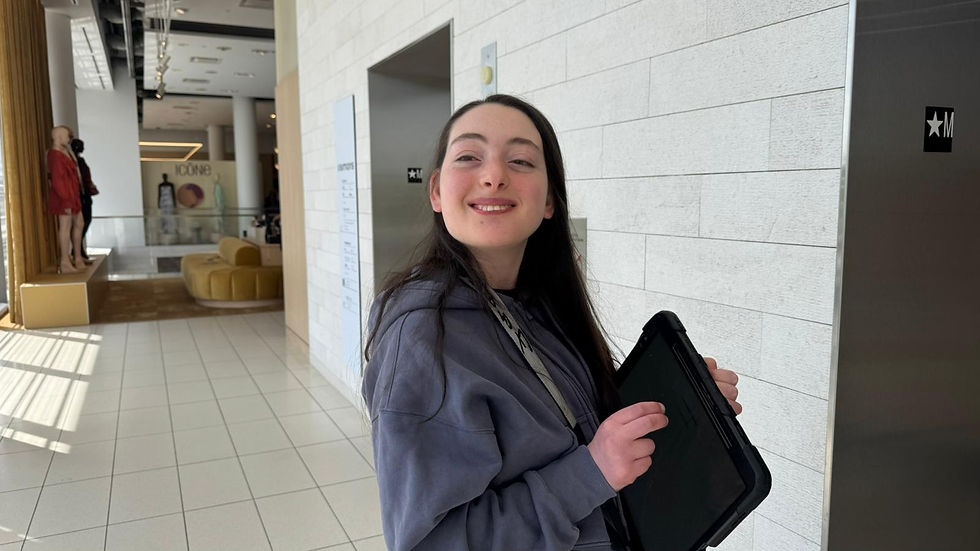
At the mall, a typical non-verbal modelling session might involve practicing communication by using words like “like” and “find.” Siena uses a separate iPad to model full sentences and demonstrate how to combine words, giving Giulietta a clear example to follow. Giulietta's support worker offers prompting or guidance only when needed, allowing Giulietta to communicate with her sister, and build confidence in expressing herself.
Core Modelling Strategies
During sessions, the support worker models a variety of communication types:
Greeting messages: Saying “Good morning,” “Hello,” “Goodbye,” or “How are you?”
Simple requests and comments about likes or interests
Expressing feelings: For example, “I feel tired today”
Basic yes/no questions to encourage responses
Sentence Structure Modelling
Giulietta typically begins with single-word responses or two-word combinations. The support worker gradually models a progression from simple sentences to more complex ones. This allows Giulietta to see how to expand her ideas while practicing sentence structure in real-life contexts.
We incorporate communication practice into everyday routines, including:
Discussing daily activities and planning: “What would you like to do today?”
Sharing preferences: “I like cheese on my pizza” or “I do not like olives”
Social interactions in the community, such as at the mall or the library
Expressing emotions and labeling feelings
All sessions use a small iPad for communication. The support worker verbalizes while pressing symbols or words on Proloquo, demonstrating navigation between categories and showing Giulietta how to create sentences. Multiple ways to express wants, needs, likes, and interests are modelled to give her options and flexibility in communication.
To support Giulietta’s learning, we provide wait time of 10–15 seconds to allow her to process and expand on any attempt at communication, and model correct sentence structure after she responds. We use scaffolding to break tasks into smaller, manageable steps and incorporate her interests during non-verbal learning sessions to keep her engaged and motivated. Through this consistent combination of modeling and guided practice, Giulietta gradually builds confidence and independence, using her iPad to communicate effectively and meaningfully.


Comments