What True Inclusion Looks Like: Benji and Giulietta on MJDS School Trips
Updated: May 6

Teachers, support staff, and peers at Montessori Jewish Day School (MJDS) worked together to make school activities accessible and engaging for every student. Classmates played an important role in inclusion by offering help when needed and welcoming Benji and Giulietta into group activities. Each outing was carefully planned so that all students could participate in a meaningful way and feel like part of the group.
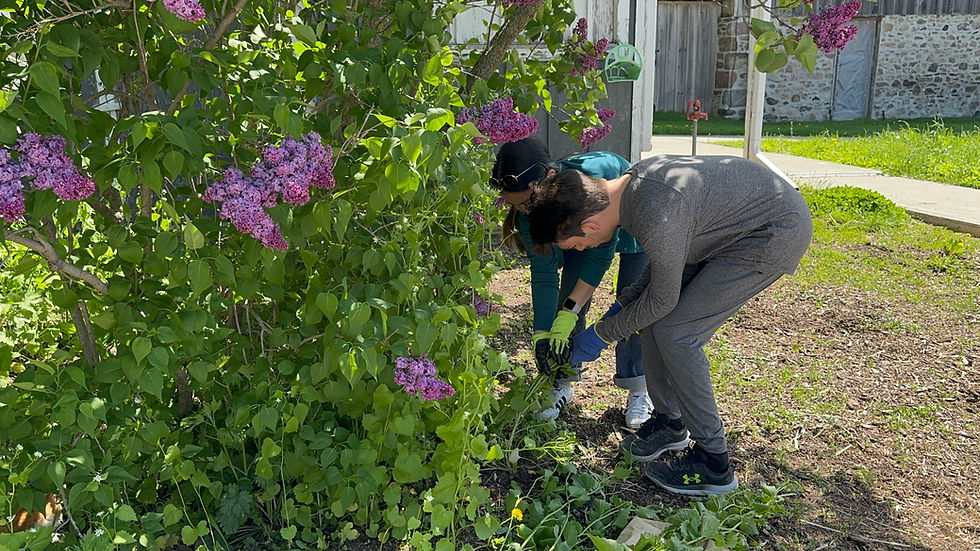
For Benji and Giulietta, these trips were more than just a change of scenery. They were real examples of what true inclusion looks like in practice. What made this possible was the consistent 1:1 support from their support staff, who were with them every step of the way. They weren’t on the sidelines, they were actively facilitating participation, helping them navigate each part of the experience, and making real-time adjustments so they could be fully involved. This worked alongside thoughtful modifications that ensured the activities were accessible and meaningful for them.
True inclusion goes beyond access or being physically present. It is about being genuinely welcomed, being understood as individuals, and being given the opportunity to participate in a way that feels meaningful. At MJDS, inclusion was not treated as something separate from the experience itself. It was built into it through planning, collaboration, and the hands-on support that made participation possible. Benji and Giulietta were not just accommodated, they were actively supported, included, and valued as part of the group.
These moments also show what inclusion feels like for the student, not just what it looks like from the outside. Feeling like you belong, being invited into activities, and knowing someone is there to support you through it all contributes to confidence and connection. The role of their 1:1 support staff was key in making sure those moments actually happened, not just in theory but in real time, throughout each experience.
Their time at MJDS shows that inclusion does not end in the classroom. It extends into every shared experience, trip, and activity. When dedicated 1:1 support staff are actively involved, and when staff and peers work together within a thoughtful structure, it creates an environment where participation is not just possible, but real and consistent.
These experiences are a reminder that true inclusion is not about being present in the same space. It is about being fully supported to take part in it. At MJDS, that meant Benji and Giulietta were not just part of the trip, they were part of the experience in a meaningful and supported way, every step of the way.


Comments